

Asian Horror vs Western Horror: What Sets Them Apart?
Horror films have a universal appeal: they tap into our deepest fears and provide that adrenaline rush we secretly crave. But not all horror is created equal. Asian horror and Western horror represent two fundamentally different approaches to scaring audiences, each shaped by distinct cultural traditions, storytelling philosophies, and what genuinely terrifies their respective societies.
The core distinction? Asian horror tends to focus on supernatural elements rooted in folklore and psychological dread that lingers long after the credits roll. Western horror, meanwhile, often favours realistic threats like serial killers and employs shock value through jump scares and gore to deliver immediate thrills.
The Supernatural vs The Human Monster
Asian horror draws heavily from centuries of cultural tales about ghosts, curses, and paranormal phenomena. Films like Hideo Nakata's RINGU showcase vengeful spirits that feel authentic because they're embedded in Asian cultural beliefs about the afterlife and unfinished business. The cursed videotape in RINGU isn't just a plot device: it represents genuine fears about technology, death, and the persistence of evil beyond the grave.

In contrast, Western horror has long been fascinated with human monsters. The slasher genre dominates, with franchises like HALLOWEEN, FRIDAY THE 13TH, and SCREAM featuring killers who are fundamentally human, even if they possess almost supernatural durability. Michael Myers might be unstoppable, but he's still a man with a knife, not a vengeful spirit.
This difference reflects deeper cultural attitudes. Asian horror often explores the idea that evil persists beyond death, that wrongs committed in life create supernatural consequences. Western horror, particularly American horror, tends to focus on evil that can be stopped, defeated, or at least understood through rational means.

Psychological Terror vs Shock Value
Perhaps the most striking difference lies in how each approach generates fear. Asian horror employs psychological strategy, building atmosphere through careful scenery, sound design, and deliberate pacing. Take Takashi Miike's AUDITION: the film spends most of its runtime as a gentle romance before delivering one of cinema's most disturbing final acts. This slow-burn approach creates a more invasive experience that feels designed to unsettle viewers on an intimate level.
The ambiguity inherent in Asian horror leaves much to the viewer's imagination. What exactly is Sadako in RINGU? Why does she kill? The film provides just enough information to terrify without over-explaining, making the experience more personal and open to interpretation.
Western horror predominantly uses shock value to frighten audiences through jump scares, plot twists, and graphic gore. Films like THE TEXAS CHAIN SAW MASSACRE exemplify "shock horror," using gruesome imagery and sudden frights rather than sustained psychological discomfort. This direct approach relies on fast-paced scores and surprise tactics: effective in the moment, but often less lasting in impact.
Cultural Roots and Storytelling Traditions
Asian horror is deeply specific in its focus, concentrating on paranormal urban legends rather than the diverse niches found in Western horror. The supernatural elements: particularly ghost stories: create a consistent thematic approach across different Asian countries, even as each brings its own cultural specifics.
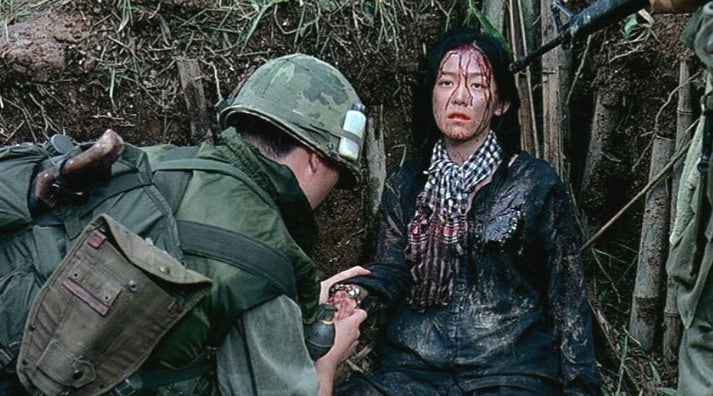
Japanese horror, for instance, often features spirits tied to specific locations or objects, reflecting Shinto beliefs about the spiritual nature of all things. Korean horror like R-POINT explores themes of guilt and unfinished business, often connected to historical trauma. Thai and Indonesian horror frequently incorporate black magic and possession, drawing from local spiritual traditions.
Western horror spans a broader range of subgenres: from alien invasions to survival scenarios. When it does engage with the supernatural, it tends to incorporate religious myths rather than folkloric traditions. The possession films of the 1970s, like THE EXORCIST, draw heavily from Christian theology rather than cultural folklore.
Western horror also takes a more scientific approach to storytelling, preferring to explain supernatural phenomena rather than leaving them mysterious. Even in films dealing with the occult, there's often an attempt to provide rational or pseudo-scientific explanations.
Directors and Distinctive Styles
Asian horror has produced several auteurs whose names are synonymous with the genre. Hideo Nakata's RINGU and DARK WATER established the template for J-horror with their emphasis on atmosphere over action. Takashi Miike brings an unpredictable, art-house sensibility to films like AUDITION and ICHI THE KILLER. Park Chan-wook's OLDBOY, whilst more thriller than horror, demonstrates the Korean cinema's willingness to push boundaries.
These directors often work within smaller budgets, relying on creativity rather than special effects. The result is horror that feels more intimate, more personal. The scares come from what you don't see rather than spectacular gore or elaborate set pieces.
Western horror has its own pantheon of masters: John Carpenter, Wes Craven, George A. Romero: but their approach tends to be more direct. Carpenter's HALLOWEEN is masterful in its simplicity, but it's still about a killer stalking babysitters. Craven's NIGHTMARE ON ELM STREET introduces supernatural elements, but Freddy Krueger remains a recognisably human monster with clear motivations.
Narrative Structure and Resolution
Japanese horror films tend to be more episodic, less linear, and more experimental in their chronological structure. This reflects broader differences in storytelling traditions: Asian narrative often embraces ambiguity and open endings.
Asian horror narratives frequently feature nihilistic endings where protagonists perish and evil persists. This creates a sense of hopelessness that haunts viewers long after the film ends. The curse in RINGU doesn't get broken: it just gets passed on. Evil isn't defeated; it simply finds new victims.
Western horror, particularly Hollywood horror, tends towards resolution. Even when the monster survives for a sequel, there's usually a sense that the immediate threat has been addressed. The final girl survives, the killer is stopped (temporarily), and order is restored until the next film.
The Remake Phenomenon
The lasting influence of Asian horror is evident in Hollywood's repeated attempts to remake successful Asian films. THE RING (from RINGU), THE GRUDGE (from JU-ON), SHUTTER, and A TALE OF TWO SISTERS all received Western adaptations. Yet these remakes often miss the underlying psychological terror that made the originals so effective, relying too heavily on jump scares and conventional horror beats.
The remakes tend to over-explain what the originals left mysterious, add unnecessary backstory, and provide more definitive endings. They're technically proficient but often lack the cultural specificity that made the originals resonate so deeply.
Modern Evolution and Cross-Pollination
Contemporary horror shows increasing cross-pollination between Eastern and Western approaches. Films like THE WAILING from South Korea incorporate elements of both traditions: police procedural realism alongside supernatural folklore. Meanwhile, Western filmmakers like Ari Aster (HEREDITARY) and Robert Eggers (THE WITCH) have adopted some of Asian horror's emphasis on atmosphere and psychological terror.
The rise of streaming services has also made Asian horror more accessible to Western audiences, creating opportunities for greater cultural exchange and mutual influence.
Why It Matters for Collectors
Understanding these differences enhances appreciation of both traditions. A film like AUDITION works differently than HALLOWEEN: it requires patience and cultural context to fully appreciate its impact. Similarly, the craftsmanship of a perfectly executed slasher film has its own merits that shouldn't be dismissed.
For collectors building a horror library, representation from both traditions provides a fuller picture of how different cultures approach our universal fears. The Tartan Asia Extreme collection offers an excellent entry point into Asian horror classics, whilst boutique labels continue to provide pristine presentations of Western horror classics.
The beauty of horror cinema lies in its diversity: how different cultures have found unique ways to explore fear, death, and the unknown. Whether you prefer the psychological slow-burn of J-horror or the visceral thrills of American slashers, both traditions offer their own rewards for patient viewers willing to engage with their distinct approaches to terror.